School
Inclusive school vs special school: how to decide for your child in India
Inclusive school vs special school in India: what each kind of school offers a child, how they compare, and how to decide what fits your child now.

In this post
- 01Mainstream, inclusive and special schools: what the words mean in India
- 02What an inclusive school offers, and what it costs the child
- 03What a special school offers, and what it costs the child
- 04Inclusive school vs special school, side by side
- 05How to decide for your child now
- 06Can you combine special and mainstream schooling?
- 07Who decides, and who advises?
- 08Making either choice work
The choice between an inclusive school and a special school is a choice about what one child needs now: classmates to learn beside at the pace of a full class, or small groups, specialist teachers and therapy under one roof. Neither is the better school in general, and in India the lines between mainstream, inclusive and special schools are blurred. This guide explains what each type offers and what it costs a child, compares them side by side, and sets out how to decide for this child at this stage, knowing that the decision can be revisited.
Mainstream, inclusive and special schools: what the words mean in India
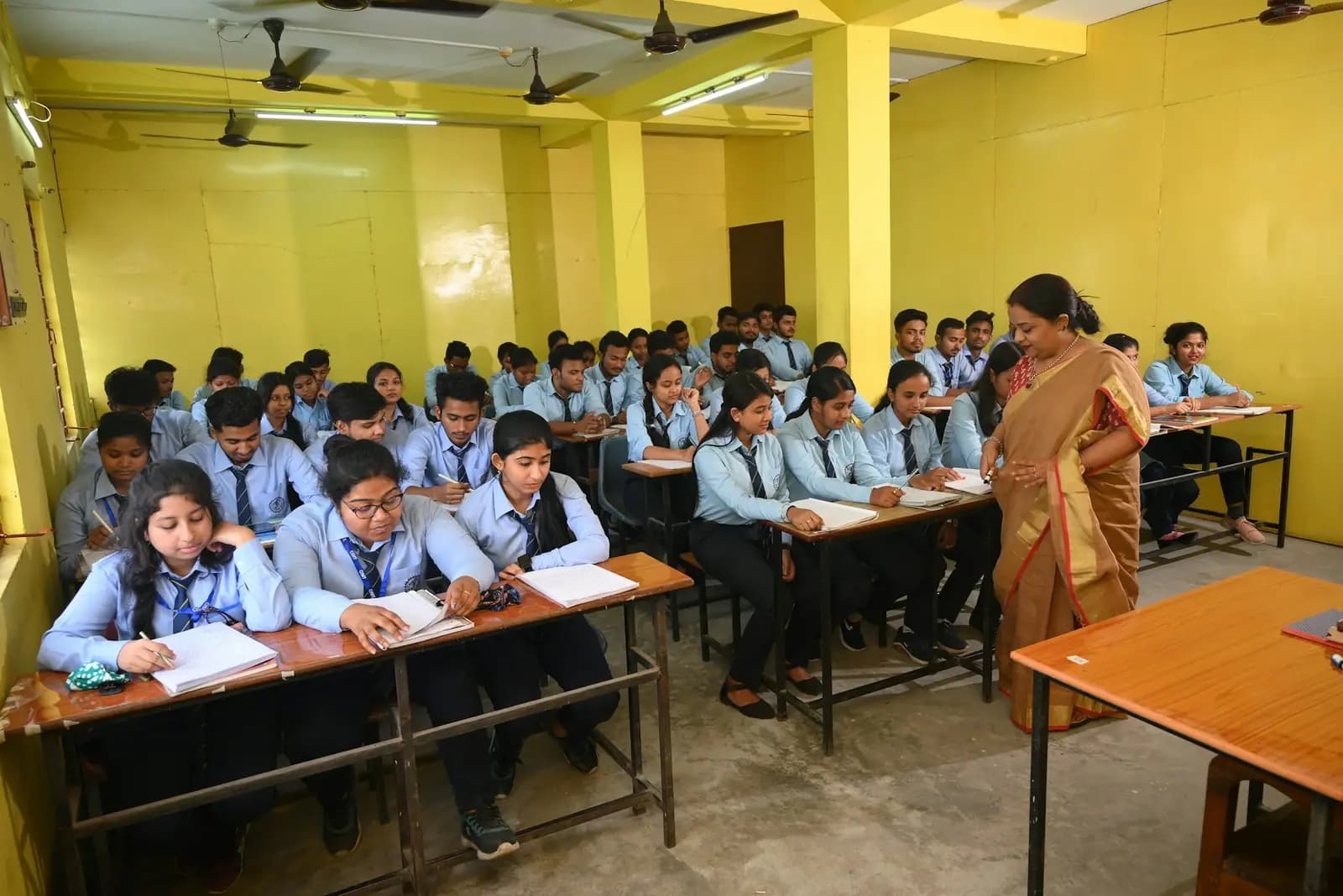
A mainstream school is an ordinary school following CBSE, ICSE, a state board, IB or IGCSE, where most children learn together in classes of the usual size. Many admit children with additional needs, and some have a counsellor or a single special educator, but support often depends on what the family arranges, such as a shadow teacher. An inclusive school is a mainstream school that has built a system: a named coordinator, special educators on the staff, a resource room, a written inclusion policy and experience of children with needs like your child's.
A special school is set up for children with a particular disability or a range of complex needs. Classes are small, most of the teachers are trained special educators, and many special schools have speech-language pathologists, occupational therapists or physiotherapists on the staff or visiting. Some teach towards a board or open-schooling certificate; others focus on communication, independence and vocational skills. The labels overlap in practice, so judge each school by what it does rather than by what it calls itself.
What an inclusive school offers, and what it costs the child
The strongest argument for a mainstream or inclusive school is the other children. A child who spends the day among classmates who talk, play and argue has models for language and play that a small class cannot provide, and the classmates learn early that a child who is different belongs in the room. The child follows the same syllabus towards the same exams, which keeps later doors open, and their friendships and festivals are those of the neighbourhood.
The costs are pace and size. A class of forty moves at the speed of most of its children, and a child who needs more repetition can fall behind quietly. The room is loud and busy, which is hard for a child with sensory differences. Specialist time is limited, since one special educator may support children across the whole school. Families often fill the gap with a shadow teacher, a remedial teacher or a special educator at home, which adds cost and coordination.
What a special school offers, and what it costs the child
A special school offers time and expertise. Classes are small enough for teachers to adapt every lesson, the pace follows the child, and every adult in the building expects children who learn differently. Therapy on site saves hours of travel each week and lets the therapists see the child in class. For a child who has been overwhelmed or left out in a mainstream classroom, a special school can be the first place where school feels manageable.
The costs are the peers and the path ahead. A child who could learn language and play from classmates may have fewer children around them who model those skills. The route to a board certificate can be narrower, so ask each school what its older pupils go on to do. Special schools are fewer, so the commute can be long, and the child may know few children in their own neighbourhood. None of these rules a special school out; they are things to plan around.
Inclusive school vs special school, side by side
The table shows the usual differences. Schools vary widely within each type, so use it as a list of things to check on a visit rather than a description of any one school.
| Mainstream | Inclusive | Special | |
|---|---|---|---|
| Class size | Often large | Varies; sometimes with a second adult | Small, often with more than one adult |
| Pace | Set by the syllabus and the class | The class pace, with adjustments and resource-room time | Set by each child's plan |
| Classmates | Mostly children without additional needs | Mostly children without additional needs, and others who have support | Other children with additional needs |
| Specialist staff | Few or none; families often arrange support | A coordinator and special educators on the staff | Trained special educators throughout |
| Therapy on site | Rarely | Sometimes, often through visiting therapists | Often, on the staff or visiting |
| Social life | Neighbourhood friendships, which may need adult help | Neighbourhood friendships, with staff who plan for them | Friendships with classmates, often from across the city |
| Travel | Usually close to home | Depends on where the well-run ones are | Often a longer commute |
| Certificate | The board's exams | The board's exams, with any arrangements the board allows | Varies; ask each school |
The column that matters is the one that fits your child's hardest hour. A child whose difficulty is mostly reading may do well in an inclusive school with a remedial teacher; a child who cannot yet manage a crowded room for most of the day may need a smaller setting first.
How to decide for your child now
Decide for the next stage, not for ever. The useful question is not which kind of school suits children with autism or Down syndrome in general, but which setting will let this child learn, communicate and feel safe over the next two or three years, given the support the family can arrange. Where does your child learn best at the moment: one to one, in a small group, or beside other children? Can they manage the noise and pace of an ordinary class for most of the day with support, or only for part of it? What support could you keep up around each option?
Natural points to review the decision are the moves between stages, when every child in the class is changing too: pre-primary to primary, primary to middle school, and class eight to nine, when the work turns towards board exams and subject choices. A move at one of these points is easier for a child to understand, and easier for a new school to plan for, than a move in the middle of a term.
Can you combine special and mainstream schooling?
The choice is rarely all or nothing. These are arrangements families in India use, depending on what the schools involved will agree to.
- A mainstream or inclusive school with a shadow teacher for all or part of the day, stepping back as the child copes.
- A mainstream school with regular resource-room sessions for reading, writing or number, and the rest of the day in class.
- A special school with planned time in a mainstream setting, such as shared activities, a subject or two, or a phased move.
- A special school in the early years, then a move to an inclusive school at a transition point.
- Open schooling for a few years, with a special educator structuring the day at home, and clubs or sport for company.
Whatever the combination, the adults need one plan. The school, the therapists and whoever supports your child at home should be working to the same targets, which is what an individualised education plan is for.
Who decides, and who advises?
The family decides. The developmental paediatrician, psychologist, speech-language pathologist and occupational therapist who know your child can say what the child needs from a school day and what worries them; ask each directly which setting they think fits now, and why. Teachers at the current school or pre-school know how your child copes in a group, which clinicians rarely see. And as your child grows, their own view belongs in the decision.
Listen for advice about your child rather than about a type of school. A professional who says that every autistic child belongs in a special school, or that every child belongs in the mainstream, is offering a belief, not an assessment. Relatives may see a special school as a label, or the mainstream as the only sign of success; both views are understandable, and neither is evidence. If a school suggests your child belongs elsewhere, our guide to the RPwD Act and education explains what the law says.
Making either choice work
Whichever you choose, visit more than once, meet the person who will plan your child's support, and agree a review date before the first day. Choosing a school for a child with special needs has the questions to take with you. Treat the first term as information: what your child can now do that they could not do before, and what is still too hard.
In either setting the afternoon matters as much as the school day, because that is where the same plan either continues or stops. Special Minds introduces vetted shadow teachers for mainstream and inclusive schools, placed only with the school's agreement, and special educators who work at home alongside any kind of school, including a special school or open schooling.
Questions
Is an inclusive school better than a special school for an autistic child?+
Neither is better for every autistic child. An inclusive school offers classmates to learn beside and the ordinary syllabus; a special school offers small classes, specialist staff and often therapy on site. The right choice depends on how your child copes in a full classroom now and what support can be arranged around it.
What is the difference between inclusion and integration?+
Integration usually means placing a child with a disability in an ordinary class and expecting them to fit in. Inclusion means the school changes how it teaches, tests and organises the day so that the child can take part. Many schools use the word inclusion for what is really integration, which is why a visit matters.
Can a child move from a special school to a mainstream school later?+
Yes, and many families plan for it. A move tends to work best at the start of a new stage, with the new school involved early, visits beforehand and extra support in the first term. Ask the special school to help prepare your child and to share its records and plans with the new school.
Do special schools in India prepare children for board exams?+
Some prepare older pupils for a board's exams or for open schooling, and others focus on communication, independence and vocational skills. Arrangements differ from school to school, so ask each one which certificate, if any, its pupils work towards and what its older pupils go on to do.
Can an autistic child manage in a class of forty?+
Many do, with support that fits them: a predictable routine, a seat away from the door, adjustments in class tests, and sometimes a shadow teacher for part of the day. Whether your child can depends on how they cope with noise, waiting and instructions given to the whole class, which the class teacher and your child's clinicians can help you judge.
How do I know if my child is coping in a mainstream school?+
Look at the whole day, not only the marks. A child who comes home exhausted or distressed most days, who no longer wants to go, or who is learning little despite support may need something different. Talk to the class teacher, the coordinator and your child's clinicians together before deciding.
Special Minds introduces and supports educational and care professionals. Nothing here is medical, psychological or legal advice, and the terms of any placement are set out in your written agreement, which you should have reviewed by your own adviser. Rules set by schools, boards and government bodies change; confirm the current version with the body concerned.
Read next
Keep reading

School
Choosing a school for a child with special needs in India: what to look for
11 min read

Hiring
What is a shadow teacher, and does your child need one?
12 min read

School
NIOS for a special needs child: open schooling, homeschooling and what to weigh
12 min read
School
What a school inclusion coordinator needs from a family, and what to ask for in return
4 min read
Talk it through with a specialist
A private conversation about your child, in English or Hindi. No fee, no obligation.