Learn to do this work properly.
The Special Minds practitioner programme, for shadow teachers, special educators and the people already in a child's life.
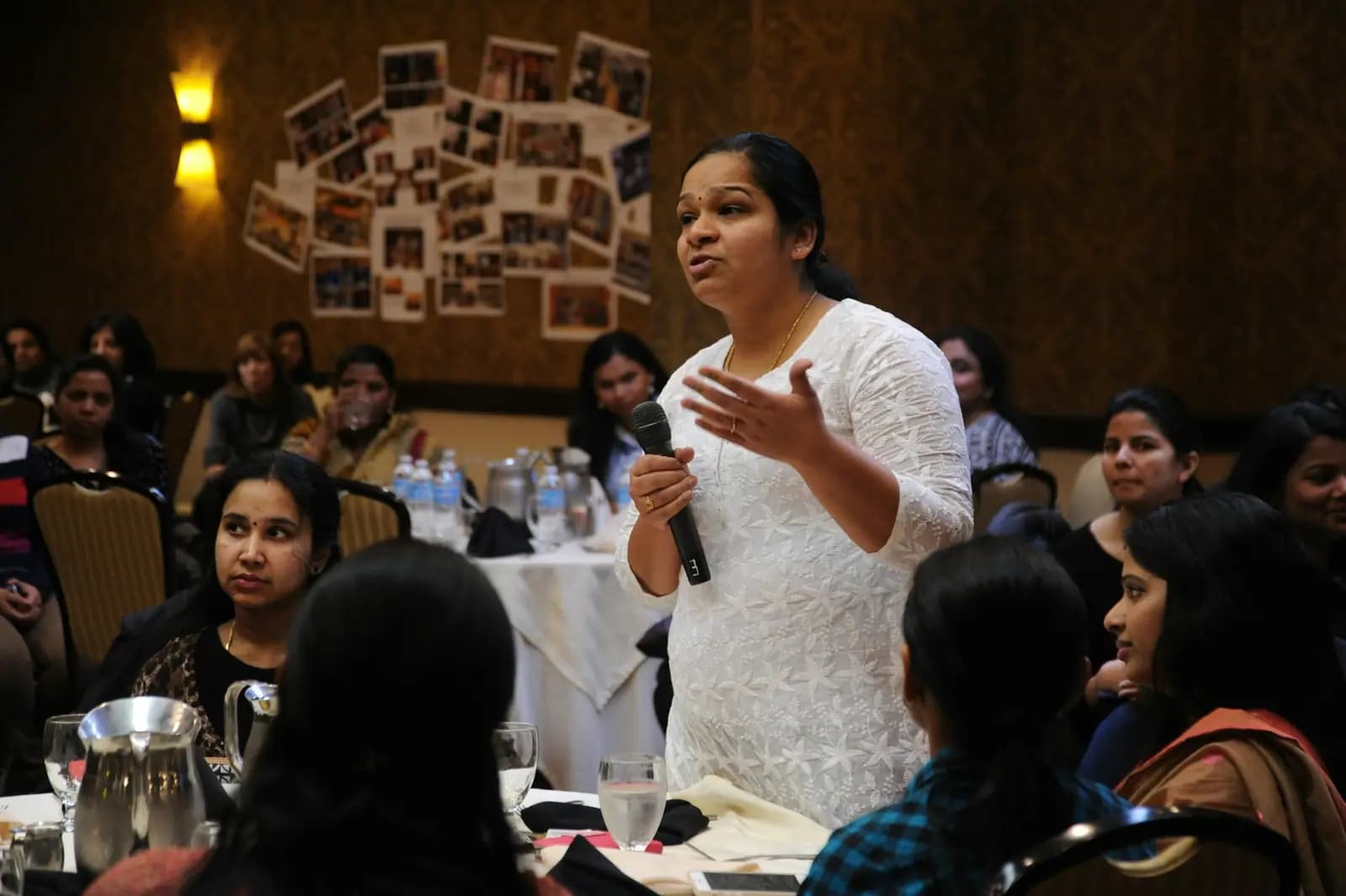


Online and in person, built on real cases, with a supervisor who has done the work.

Why we teach
A child is better off when every adult works the same way.
Most shadow teachers are hired by a worried parent, walked to a classroom, and left to work it out. Some become excellent. Many are never shown the craft. The children pay for that.
We train the practitioners we place, and we open that training to the wider field, because a child is better off when every adult around them works the same way.
The programme
What the programme covers.
- 1
Reading the plan
How to take a therapist's programme, a school's IEP and a family's priorities and turn them into a day.
- 2
Prompting and fading
How to help without doing it for the child, and how to step back on purpose.
- 3
Regulation and transitions
Sensory needs, the early signs of overload, and the quiet routes through assemblies, corridors and homework.
- 4
Working in a classroom
The relationship with the class teacher, the inclusion coordinator and the other children.
- 5
The record
A daily note a clinician can use, a monthly report a parent can read, and what never goes in either.
- 6
Safeguarding and boundaries
Where the job stops. Photography, devices, confidentiality, and what to do the day something is wrong.
- 7
Observed practice
Sessions watched and debriefed by an experienced supervisor, in a real placement where possible.

Who teaches
Taught by people who do the work.
Special educators and supervisors from our own placements in the UAE and India, and the clinicians we work alongside, who teach the parts of the work that sit next to theirs. Nobody teaches from a slide deck alone; every module is built on real cases, anonymised.
You might be wondering
Questions practitioners ask
Who is it for?
Working shadow teachers and special educators who learned on the job. Teachers and teaching assistants moving into inclusion work. Graduates in psychology, education or child development starting out. Parents, nannies and family members who are the child's daily support and want to do it well.
Is it online or in person?
Both. The core modules run online with live sessions; practical sessions run in person in our eight cities, and observed practice is arranged in real placements where possible.
Does it lead to work with Special Minds?
Practitioners who complete the programme and pass our vetting join our roster for placements in India. Completing the programme does not guarantee a placement; the vetting and the match do.
Is this a therapy qualification?
No. It trains educators to support children and to work well with therapists. It does not qualify anyone to assess, diagnose or deliver therapy.
What does it cost?
Fees are set out in writing when you apply, with instalment options. Practitioners already working with our families train at no cost.
From the blog
Blogs for practitioners

Ready to train?
Tell us who you are and the work you do now. We reply to everyone.