Training
What practitioner training covers, and who it is for
An outline of the Special Minds practitioner programme for shadow teachers and special educators in India: who joins, the six areas it covers, how it is taught, the supervised practice, what it does not claim to be, and what it means for the families who receive a trained practitioner.
In this post
Most shadow teachers and special educators in India learned the work by doing it, often alone, in a family's home or at the back of a classroom, with nobody to ask. Some are excellent. Almost all say they wish someone had shown them earlier. The Special Minds practitioner programme is that showing: structured training for people who already work with children, or want to, and who want to do it to a standard.
Who it is for
Working shadow teachers and special educators who want structure behind their experience. Teachers and teaching assistants moving into one-to-one support. Graduates in psychology, education or a related field who want to work with families. Therapy-centre staff who are asked to support children between sessions. And, in a separate strand, parents and family members who are the child's main support at home and want to do it well.
It is not for people looking for a job abroad. The programme trains practitioners to work with families and schools in India, and Special Minds introduces its trained practitioners to families here.
What it covers
Six areas. How children with autism, ADHD, learning disabilities, speech and language delay, Down syndrome and sensory processing differences experience the day, and what each usually needs from the adult beside them. How to carry a therapist's plan into ordinary moments without pretending to be the therapist. How to work in a classroom as a shadow teacher: sitting beside a child without standing between them and the class, working to the teacher's instruction and the school's plan. Structured teaching at home: routines, visual supports, small steps, daily-living skills. Safeguarding, boundaries and the code of conduct. And recording and reporting: the daily note, the monthly report, the meeting with the coordinator.
How it is taught
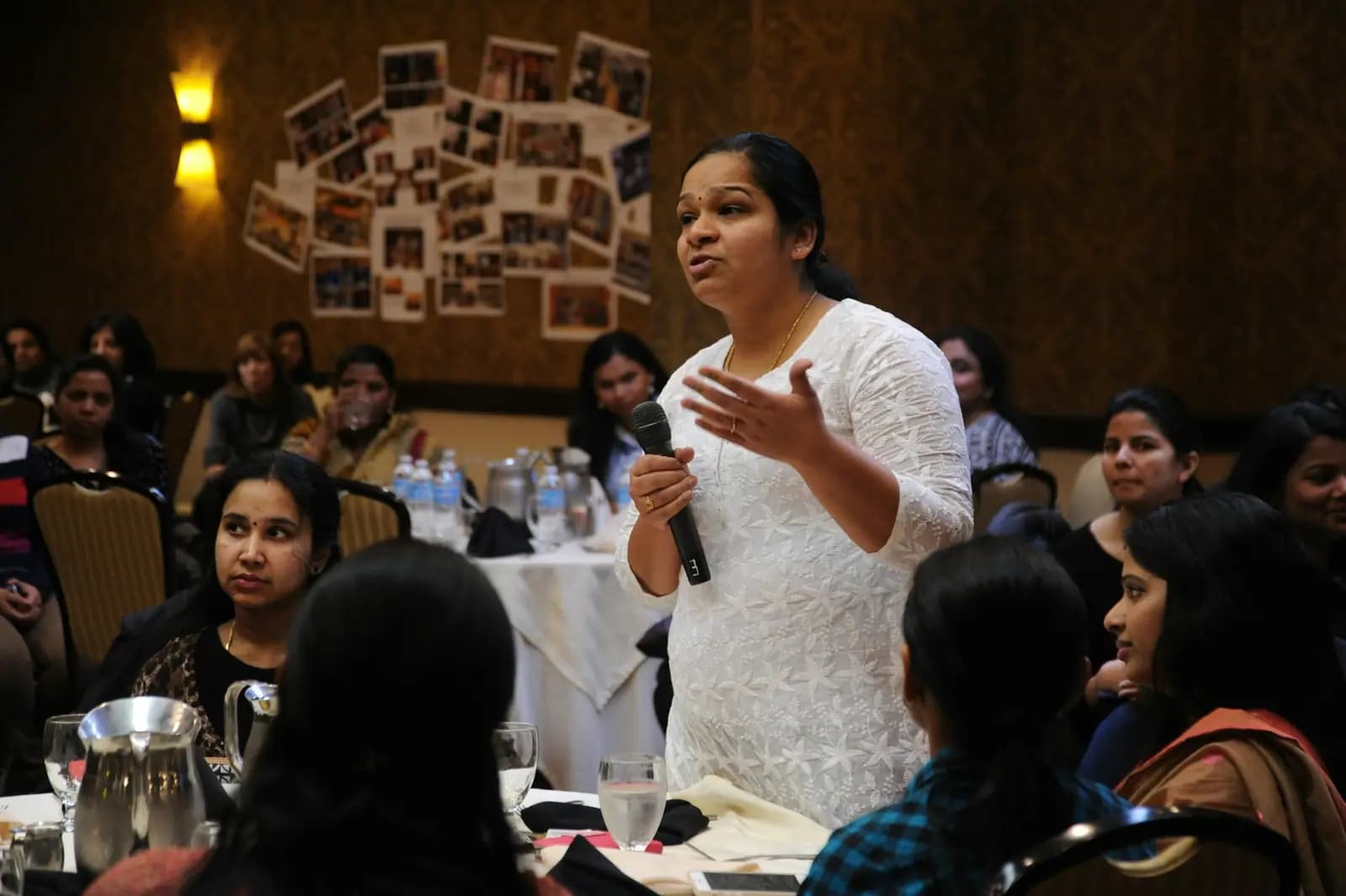
Small groups, in person where a city has enough practitioners and online where it does not. Short sessions, practical and specific, with real scenarios from real placements, names changed. Practice between sessions, in the practitioner's own placement or in a supervised one. Feedback from a supervisor who has done the work. A practitioner is asked to show what they can do, not to describe it, and to talk honestly about the placement that went wrong.
Supervised practice
Training that stops at the classroom door does not change what happens at the dining table. Practitioners in the programme are supervised in a real placement: a supervisor reviews the daily record, joins a school meeting, watches a session, and talks through what happened. The supervision continues after the training, for practitioners placed by Special Minds, through the first-week, thirty-day and term reviews of every placement.
What it is not
It is not a therapy qualification and does not make anyone a therapist. It does not qualify anyone to assess or diagnose. It does not replace a special-education degree or a teaching qualification, and practitioners who have those are asked to bring them. It does not promise work, in India or anywhere else. What it does is give a practitioner a method, a standard and a supervisor, and give families a way to know what the person beside their child has been trained to do.
What it means for families
A practitioner who has been through the programme knows where the role ends. They arrive able to build a visual schedule, carry a speech-language pathologist's target into a meal, sit beside a child in a full classroom, brief the household and write a report the school can use. They have been watched doing it. Families who ask us for a trained practitioner are asking for that, and we say plainly in each candidate's file whether they have been through the programme, are in it, or bring their standard from elsewhere.
Questions
Does the programme lead to a job with Special Minds?+
It does not promise one. Practitioners who complete it and meet our candidate standards are introduced to families in India as placements arise.
Is there a fee for practitioners?+
The programme's terms are set out in writing before anyone enrols. Families are never charged for a practitioner's training, and candidates are never charged a placement fee.
Can a parent join?+
Yes, in the family strand, which covers the home parts of the programme without the classroom and placement modules.
Is the training available in Hindi?+
Sessions run in English with Hindi where the group needs it, and materials are being prepared in the languages families use.
Special Minds introduces and supports educational and care professionals. Nothing here is medical, psychological or legal advice, and the terms of any placement are set out in your written agreement, which you should have reviewed by your own adviser. Rules set by schools, boards and government bodies change; confirm the current version with the body concerned.
Read next
Keep reading
Vetting
How to verify a special educator's qualifications and references before they meet your child
4 min read
Hiring
Shadow teacher, special educator or remedial teacher: which does your child need?
4 min read

Safeguarding
Safeguarding a child in a private home: the household, devices, photography and the rules that should be written down
4 min read

Training
Shadow teacher skills: twelve every shadow teacher needs, and how to build them
12 min read
Talk it through with a specialist
A private conversation about your child, in English or Hindi. No fee, no obligation.