School
The resource room in school, and what the school's special educator does
What a resource room in school is, what the school's special educator does, what to ask, pull-out or in-class support, and where a shadow teacher fits in.
In this post
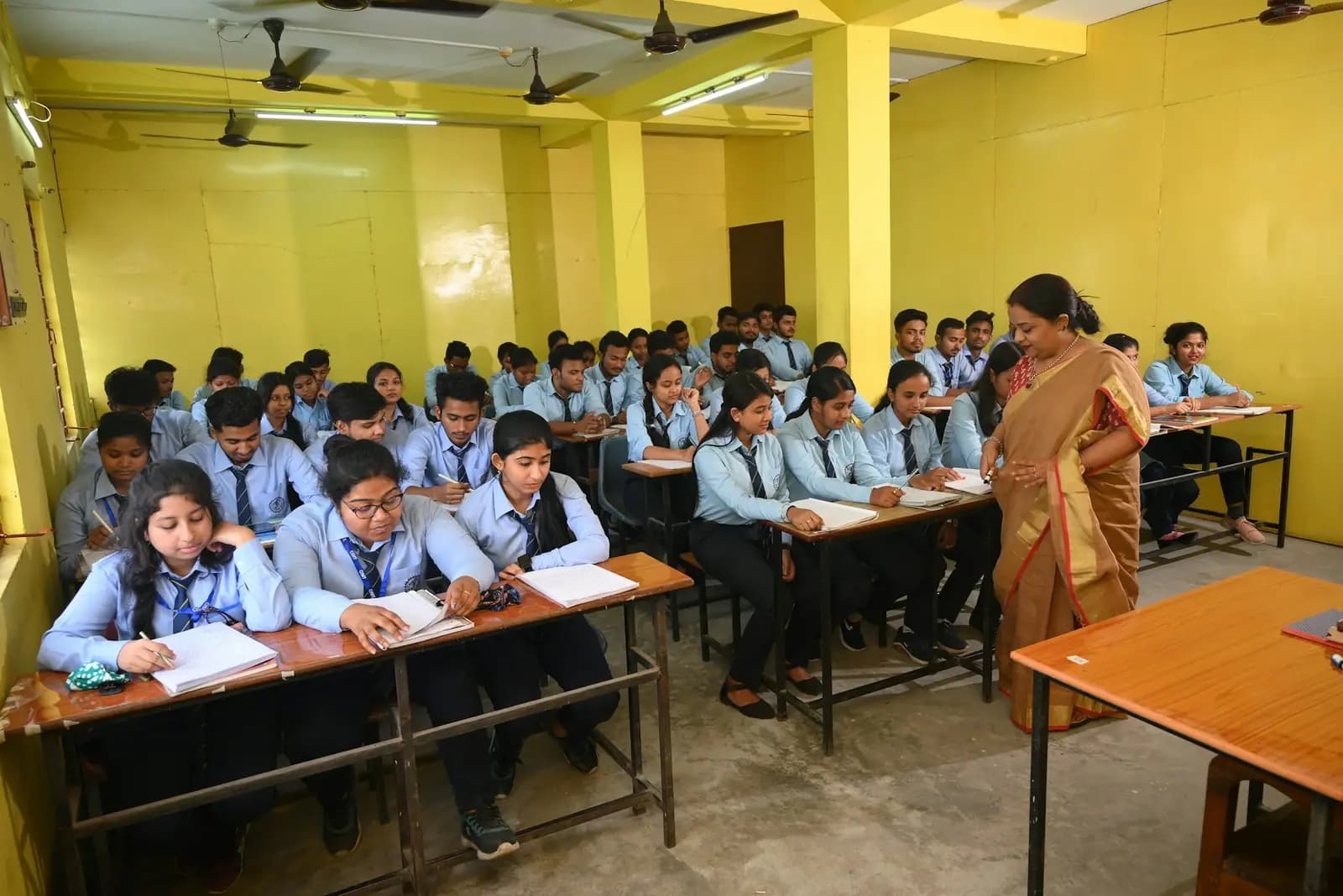
A resource room in school is a quiet space where the school's special educator works with children who need extra support, singly or in small groups, for set periods before they return to class. In many Indian schools it is where reading and maths are rebuilt, IEPs are drafted and exam arrangements are planned. How much it can do depends on how much of one person's time your child gets. This guide explains what the room and the special educator usually offer, what to ask, and how school support fits with a shadow teacher and help at home.
What is a resource room?
The phrase describes a use more than a room. In some schools it is a well-equipped space with low tables, reading materials and its own timetable. In others it is a corner of the library, the counsellor's office or whichever room is free in the fourth period. What makes it a resource room is the person in it, usually a special educator, and the purpose: focused teaching or support that a child cannot get in a class of forty, for a short time, before going back to that class.
Schools use it in different ways. Many run pull-out sessions for reading, writing or maths during timetabled periods. Some use it as a calm space for a child who is overwhelmed, some for small groups working towards the same target, and some for school tests taken with extra time or a reader. The glossary entry on the resource room gives the short definition; the rest of this guide is about what to ask.
What does the school's special educator do?
The school's special educator, sometimes called the resource teacher, is often one person responsible for every child with additional needs across the school or a whole section of it. The sessions a family hears about are only part of the job.
- Observing children the class teachers are concerned about, and suggesting to families when a professional assessment might help.
- Writing and reviewing IEPs with class teachers and families.
- Running short individual and group sessions in the resource room.
- Helping class teachers adapt worksheets, instructions, seating and tests.
- Arranging accommodations in school tests, and preparing the paperwork for board exam arrangements with the school's exam department.
- Working with external shadow teachers, and with therapists where families consent.
- Meeting families at the start of each term and after reports.
Seen this way, the resource room sessions are one part of a crowded job. That is not a criticism of the special educator, who is usually doing a great deal with little time. It is the reason to ask exact questions rather than assume. What an IEP is explains the plan the special educator usually leads.
Questions to ask about resource room support
Families are often told only that a child 'goes to the resource room'. These questions turn that into something you can plan around, and the answers are worth having by email.
- How often will my child go, and for how long each time?
- Will sessions be one-to-one or in a group, and how many children are in the group?
- What will be taught, towards which targets, and with which method?
- Which lesson will my child miss, and how will they catch up on it?
- How will progress be measured, and how often will you tell us?
- Will sessions continue in exam weeks and in the board exam years?
- Who decides when the sessions stop, and on what evidence?
- Can you speak to the tutor or special educator who works with our child at home?
Check the answers at each review. Sessions can shrink quietly when the special educator is needed elsewhere, around exams or when a new child joins, and a short monthly note from the school keeps the arrangement visible.
Pull-out sessions or in-class support?
Resource room teaching is a pull-out model: the child leaves the class for focused work. The alternative is support inside the classroom, from the class teacher, a co-teacher or a shadow teacher. Neither is better in general. They do different jobs, and many children need some of each.
| Pull-out sessions | In-class support | |
|---|---|---|
| What the child gets | Focused teaching of one skill, in quiet, at the child's level | Help to follow the real lesson, with classmates, as it happens |
| What the child misses | Whatever the class is doing during the session | The intensity of one-to-one teaching |
| Best for | Rebuilding reading, writing or number, and practising exam accommodations | Following instructions, staying settled, taking part and keeping up |
| The risk | The same subject missed every week | Help that becomes dependence if it never steps back |
The question to press is which lesson the pull-out replaces. A child with dyslexia who leaves English every day for reading support is being taught to read at the expense of English. Ask whether session times can rotate, so that no subject is missed every time, and whether the class teacher will tell the child what they missed.
Resource room or shadow teacher?
Families are sometimes offered one as if it replaced the other. They do different jobs. The resource room teaches skills away from the class, in short sessions, with the special educator's time shared among many children. A shadow teacher supports one child inside the class through the school day, so that they can follow, stay settled and take part. A child who manages the classroom but reads well below their class needs the first. A child who cannot yet manage the classroom needs the second, and may need both.
If the school suggests a shadow teacher, ask what the resource room will still provide. If it suggests the resource room is enough, ask what will happen during the hours the child is in class. Shadow teacher, special educator or remedial teacher sets out how the roles differ.
Making school and home support work to one plan
The risk of three sources of help is three plans. A child taught one way of carrying numbers in the resource room, another by the tutor at home and a third by the class teacher is learning that maths is confusing. A child whose shadow teacher uses one calm-down signal while the special educator at home uses another is learning that nothing is predictable. The fix is coordination, and most of it is a shared note and one meeting a term.
- One plan: the school's IEP is the reference, and home support works towards the same targets.
- One method for each skill: agree which reading or maths method is used, and use it everywhere.
- One set of words and signals for instructions, rewards and calming down.
- A shared note: with the family's consent, each person sees a short record of what the others are doing.
- A termly meeting, even half an hour online, with everyone who works with the child.
- A named person holding it together: usually the school's special educator in school and the family's special educator at home.
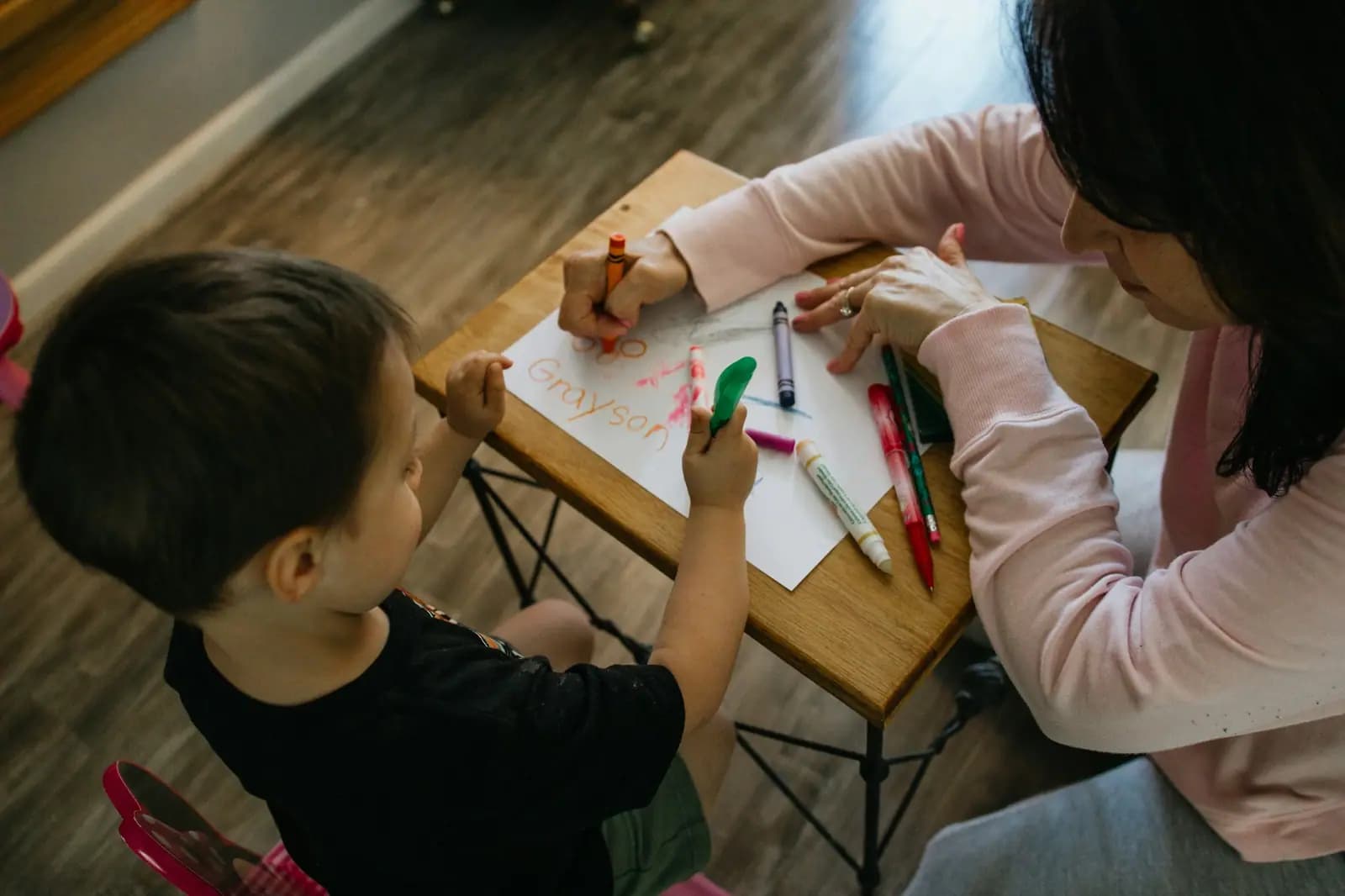
Where the family arranges a special educator at home, ask them to contact the school's special educator in the first month. The conversation goes best when it starts with the home professional asking what the school is working on and how they can reinforce it.
When the school's support is not enough
Some schools have no special educator, or one stretched so thin that sessions exist mainly on paper. Ask plainly what the school can and cannot provide, and get the answer by email. What the law and the boards expect of schools is covered in the RPwD Act and your child's education. In the meantime, the practical step is to arrange the missing piece yourself and connect it to the school.
That usually means a remedial tutor for the skill the resource room would have rebuilt, or a special educator at home for routines, homework and organisation, with the school's agreement to share the IEP and a short note each month. Special Minds introduces remedial tutors at home in Mumbai, Delhi NCR, Bengaluru, Hyderabad, Chennai, Kolkata, Pune and Ahmedabad and online anywhere in India, and special educators at home in the same eight cities.
Questions
What does resource room mean in a school?+
It means a space, and usually a special educator, set aside for children who need teaching or support beyond what the class provides. Children go for short, scheduled sessions, often for reading, writing or maths, and spend the rest of the day in their own class with their own classmates.
Will going to the resource room make my child feel different?+
It can, especially in the middle-school years, if sessions always fall at a noticeable time or are described as help for weak students. Ask how the school presents the room, whether other children use it too, and whether timings can make leaving the class feel ordinary.
Does my child need a diagnosis to use the resource room?+
Practice varies. Some schools offer sessions as soon as a teacher is concerned, before any assessment. Board exam arrangements are different and need formal documents, so if the school suggests an assessment, ask what it is for, which kind of report is needed, and by when.
Is the school's special educator the same as a remedial teacher?+
Not quite. The school's special educator covers a wide role, from IEPs to exam arrangements, and may do some remedial teaching in short sessions. A remedial teacher works on one skill, such as reading or maths, in regular sessions at home or online, with more time for that skill.
Can resource room sessions replace a shadow teacher?+
Only for a child who can manage ordinary lessons without an adult beside them. Sessions in the resource room build skills away from the class; they do not help a child through the lessons themselves. If a school proposes one instead of the other, ask what support the child will have in class.
How can we find out what happens in resource room sessions?+
Ask for a short monthly note on what was worked on and any change the special educator has seen. Ask whether you may observe one session, and whether materials can be shared so that practice at home matches. The termly IEP review is the place to look at progress in detail.
Special Minds introduces and supports educational and care professionals. Nothing here is medical, psychological or legal advice, and the terms of any placement are set out in your written agreement, which you should have reviewed by your own adviser. Rules set by schools, boards and government bodies change; confirm the current version with the body concerned.
Read next
Keep reading
Hiring
Shadow teacher, special educator or remedial teacher: which does your child need?
4 min read

School
What is an IEP? The individualised education plan in Indian schools
11 min read
School
What a school inclusion coordinator needs from a family, and what to ask for in return
4 min read

School
Preparing for a school meeting about your child: what to bring, what to ask, what to write down
4 min read
Talk it through with a specialist
A private conversation about your child, in English or Hindi. No fee, no obligation.